Showing posts with label Health Information Technology. Show all posts

Tuesday, November 1, 2016

Information Technology Expertise vs. Literacy: A Lesson from the Hillary Campaign for President


Whatever Population Health Blog (PHB) readers may believe about the 1) the timing of FBI Director Comey's announcement about the discovery of a cache of Huma Abedin emails "that appear to be pertinent to the investigation," or 2) the Wikileaks hack of the Clinton emails, the campaign's pattern of lightly securing confidential information and moving it across multiple technology platforms is disconcerting.

Ms. Abedin is apparently at a loss to explain how so many the "pertinent" emails ended up on a home laptop.  The Population Health Blog (PHB) suspects it was a combination of autosaving and autoforwarding run amok.

In the meantime, it has been reported that the Clinton campaign chair used "p@ssw0rd" as the password for his johnATpodesta email account. Once it was targeted, the PHB believes may have been just a matter of probing it repeatedly with a series of commonly used passwords.  Once one account is hacked, it can be used to email viruses and malware to unsuspecting recipients.

No one should expect that the leaders who run national political campaigns should be IT experts.  It's also true that no one or organization is immune from an advanced persistent threat.  But that doesn't mean that these leaders - who aspire to oversee executive branch policymaking - don't have a duty to be IT literate.  

The absence of Republican leaks is intriguing. While hackers may be showing favoritism, the PHB wonders if this episode in 2008 prompted future GOP campaigns to take the threat seriously.  In addition to applying IT policy and procedure (for example) as well as relying on experts to identify and defend the crown jewels, their leaders - aware that their digital musings could end up on the front page of The New York Times - probably internalized some basics:
  • While email is never secure, the likelihood of a hack can be reduced by using unique passwords and regularly changing them;
  • Email attachments, including embedded pictures, are a common method of delivering viruses and malware;
  • There are important differences between storage and backups. The latter can resurrect an entire data base, is less prone to mismanagement and typically offers encryption.
This is not rocket science.  Understanding these and other basics - i.e. having literacy - is an important piece of IT security in any organization.  That's especially true in the healthcare sector, where we learned our lesson years ago.  The hard way.

In numerous posts (for example), the PHB has repeatedly questioned the ability of a federal bureaucracy to competently coordinate healthcare delivery.  In addition to the complexity, cronyism, concentration of risk, unintended consequences and politics, the PHB believed the health-policy illiteracy of the decision-makers made them unequal to the blue-pill vs. red-pill task.

Alas, is the same true when it comes to the oversight of the United States' information infrastructure? If a future President, her Chief of Staff and her most trusted advisers are flummoxed by or ignore the fundamentals of account passwords and backups, could this illiteracy lead to IT poor decision-making in a future White House administration?

You be the judge!

Image from Wikipedia

Friday, September 30, 2016

Aepple?

According to this BloombergTechnology report, "some" customers of health insurer Aetna will get a discount on Apple's smartwatch. In the meantime, Aetna's employees will get the watch at "no cost" to " beta test a new wellness reimbursement program."

While media reports imply that this is one more step toward a Manifest Destiny of scaling healthful behaviors to lower U.S. healthcare costs, the Population Health Blog is more sanguine:

1. The impact of wellness programs - exercise promotion, healthy eating and lifestyle management - on short term health insurance claims expense is highly variable.  There's lots of peer reviewed literature like this that shows "fitness" is not a healthcare money-saving slam dunk.

2. In addition, wellness programs are far more likely to be successful if they are tailored, multi-modal and sustained over time. Kudos to Aetna, which linked the smartwatch to a broader employee wellness program that probably meets that gold standard.  As for the "other customers," the PHB doubts that the one-time provision of a wrist gadget will do anything to mitigate their healthcare costs.

3. It is the conceit of today's Silicon Valley Robber Barons to think that no problem is immune to their business models. Just like Carnegie and Rockefeller, the Gates and Zuckerbergs seem to believe that but for (their) information technology, the world could be a better place.  Apple's executives can't be blamed for its "features to help our customers live a healthy life" hype.

4. But even if some of Apple's executives are immune to the hype, their marketing department undoubtedly understands that "cause related" appeals to societal fitness builds brand. Plus, if the earned media helps deflect attention away from Apple's lackluster stock price and Aetna's other travails, all the better.

5. It's difficult to know for sure, but the PHB doubts that Aetna is deploying any of its customers' premium to underwrite their cost for the Apple smartwatches.  Rather, this is far more likely to be a group purchasing discount in which Apple agrees to less margin in exchange for a bulk purchase.  That's probably also part of the math for the Aetna employees, with the rest of the economics of the wellness program simply being part of Aetna's administrative overhead.  

Nonetheless, the PHB is intrigued by the downstream possibilities of a Wintel-like alliance between a major commercial health insurer and a major information technology company.  What's described above is small potatoes compared to the larger possibilities of data sharing*, big-data analytics, co-branding, mutual investments, joint ventures and administrative combinations.

Think Aepple.  You read it here first.
 
*After this post was published, this news report came out.


Friday, February 26, 2016

The Personalized Healthcare Ecosystem of the Future: Welcome to the Year 2030

Against your better judgment, you've just checked your contact lens-enabled news feed. You're annoyed, because President Meghan McCain has just used the Trump Doctrine to "fire" Medicare's lead administrator over the botched roll-out of the Agency's block-chain claims payment system.  The mild spike in sweat stress chemicals detected by your clothing sensors prompts a boost in the transcutaneous dosing of the blood pressure pharmaceuticals from the networked skin patch on your thigh. 
 
It's the year 2030, and personalized "eDxTx" (ecosystems of Diagnosis and Treatment) has arrived for a lucky few who are able to afford it. That has created political headaches for the President and her campaign promise to bring Medicare out of the 20th century. Your decision to opt out of "Medicare for All" (a.k.a "TrumpCare") has been expensive, but worth it because your Geico insurance plan includes eHealth as a covered benefit.  Geico's ability to automate all underwriting and claims handling means high service standards and keeping costs down. Plus, those video ads are still cool.

Thanks to ubiquitous wireless connectivity, cloud-based machine intelligence and mass-personalized medicine, you and your private doctor's team were able to configure a suite of customizable off-the-shelf apps that meet your goals for living well as well as long.  The first step was your $2 psychometric, biomic and genetic testing (the expense of a mitochondrial analysis was offset with an agreement with the laboratory, Theranos, to pool your data with other customers) that spotlighted the optimum mix of nutrition and pharmaceuticals to blunt your risk of Type 15 Hypertension and GAB15a-linked gastrointestinal cancer

As you sit down and use the heads up display in your lens to ponder the short-list of candidates to replace the fired administrator (a well-placed leak suggests it reportedly includes Elizabeth Holmes), the patch modulates your drug dosing to account for the change in body position.

You're hungry and looking forward to your specially tailored evening meal that is being drone-delivered to your patio in.... your contact lens again... 28 minutes. 

This is one of the five days out of the week that you adhere to a configured meal of calories, carbs, proteins, fats, nutraceuticals, probiotics and prebiotics that's adjusted to meet your taste preferences. It will also achieve an optimal body fat percentage, and reduce your risk of cancer and a host of other chronic conditions. The other two days use competitive gamification that is linked to your online preferences to reward you with a real burger for meeting your nutrition goals.  Not for everyone, but your behavioral reward profile suggested that that would help motivate you to stick to the diet. Who knew?

You ponder getting a burger tonight, but fight the temptation by triggering a mindfulness app through your lens.  The lights in your living space also dim and a riff made up of an pleasing artificial jazz-indie chord progression offers a well-placed distraction.

Diet and risk reduction are not the only an ingredients you use to achieve your goal of living 105 years, but also participating in next month's Goggle Spartan Race.  Come to think of it, time to tailor a set of 3D printed sneakers. You look forward to you and your personal life-drone (your spouse suggests it's more evidence of your narcissism; you've named it "Donald" to confirm her suspicions and annoy her) competing in a mix of virtual and real obstacles in a course of that includes real rope climbing and a virtual 3-D avatar obstacle course. The drone and wearables will network, monitor and heads-up display your neuro and cardiovascular dashboard for optimal performance. It will also use the same technology that they used in hospitals to anticipate any medical emergencies that could happen to you.

Naturally, your drone will use artificial intelligence to image, edit and securely post the race video for friends and family to view.

That's what you did last year, when the video also showed you twisting your ankle.  You had to go to a treatment center and be evaluated the old fashioned way, where a doctor treated you.  Some things never change, but avoiding those opaque bills and paying your deductible using virtual currency was so convenient.

As your pour yourself your recommended 1.2 ounces of bourbon (personalized by the distillery with a proprietary combination of esters and lactones to create your preferred finish), you reflect on how healthcare has changed since the days of in-home monitoring and physician teleconferencing. It worked well while it lasted, but was soon eclipsed by the cloud-based technology that combined physician intelligence ("physint") with Watson (artificial intelligence) that "scaled" in an era of fully automated care. 

Sort of like the driverless car that will take you to next month's race.

Speaking of old fashioned cars, that eDxTx medical alert last year reminded you of that old fashioned "check engine" light.  It seems a biochemical marker profile was consistent with the presence of an early stage tumor.  Based on your past medical data, the calculated Bayesian risk that the tumor was real approached 1%.  Watchful waiting using Medicare's IPAB guideline recommendations was raised as an option by your doctor, but you decided to undergo the additional testing to rule it out.  Naturally, your insurance covered most of that cost.

You finish your bourbon after you get an alert that the pizza has arrived.  You silently wish President McCain good luck. Some things never change.

Monday, January 4, 2016

2016 is the Breakout Year for mHealth: Savings vs. Value

In this post, the Population Health Blog predicts how and why mHealth will be covered by more commercial health insurers in 2016, and why the retail "over the counter" mHealth market outside of insurance coverage will also continue to grow. 
 
While you're reading, consider this simple question: What are the revolutions per minute (RPMs) of your automobile's engine as you ascend from stationary idling to freeway speed?
 
The Definition of mHealth: "the delivery of healthcare services via mobile communication devices." Other definitions can be found here.  Elements include handhelds, wireless communications, software, hardware, networking, social media, sensor technology, apps and cloud-based services. The World Health Organization says it's global and much is still in its infancy.
 
Three Population Health Blog predictions for mHealth in the United States:
 
1) 2016 will be a breakout year, because both the savings and value propositions will be clarified.
 
What does the PHB mean by this? 
 
The ultimate question for health services buyers, payers, providers and patients is whether mHealth technology is: 
 
Substitutive: achieving savings from displacing present or future high cost services,
 
or
 
Additive: co-existing with present, or increasing future utilization.
 
The same is true for many pharmaceuticals, population health programs and the medical home.   
 
2) Faced with the reemergence of unsustainable health care cost inflation, commercial health insurers will deploy today's premium to sponsor tomorrow's substitutive mHealth cost reductions.
 
Commercial insurers will look for mHealth that is "S3" or Smart, Synergistic and Scalable.
 
1. Smart: addresses the tailored needs of selected population segments; instead of being all things to all patients, think focusing mHealth on high risk patients with special needs
 
2. Synergistic: enhances, not replaces other incumbent resources, such as one-on-one care management or outreach telephony.  
 
3) Scalable: uses the economies of scale to provide a lower-cost service to larger numbers of consumers.  As more patients in a select population use mHealth, the cheaper it becomes. 
 
3) But.....Value-driven mHealth will also flourish in the direct-to-consumer, over-the-counter or retail market for three reasons:
 
1) Consumer notions of value: 
 
Interest in personal wellness, a cultural belief in the pervading merits of technology and the allure of every more innovative gadgetry will continue to outpace the underlying mHealth abandonment rate.
 
2) As Obamacare acquaints consumers with real healthcare costs, #mHealth will be viewed as a relative bargain.
 
Comparatively pricey physician encounters, emergency room visits or a hospital stays - especially for Bronze Plan enrollees - will only increase consumer appreciation for  mHealth's "over the counter" benefit-to-cost ratio: for a few extra bucks, why not have that weight-loss, blood-pressure, medication-management app or wearable, especially when you already have a handheld smart device and the bandwidth?
 
3) Some commercial insurers will "cover" wellness #mHealth, not because their actuaries support it, but because their customers (purchasers, brokers and consumers) demand it. 
 
"Coverage" will be in the form of a volume-based discount pricing borne by the consumer, not a value-based benefit covered by the insurer. If it increases customer loyalty/"stickiness," all the better.
 
Plus there's the mHealth "X-Factor." mHealth sponsors and their allies will collect, sell and use consumer data for marketing and surveillance.   The PHB calls it mining and monetizing
 
Back to the tachometer: Even though its dashboard displays it, the PHB doesn't know the vehicle's RPMs either. Aside from  the use of the tachometer by some car enthusiasts  to optimize manual gear shifting, it adds little to car performance or safety
 
Yet, it's standard and in the dashboard of just about every automobile being sold in the U.S.A.  Could gadgets, wearables, apps and mHealth physiologic monitoring become the healthcare tachometer?  Useful to a critical few and standard for everyone else?
 
So, What is the the Basis of the PHB's Predictions?
 
Growth potential:
 
 
If you think it's all about "Fitbit" or managing diabetes, think again. How about promoting mindfulnessmonitoring medication compliance, home-based high-risk pregnancy monitoring, in-home safety for the frail elderly, heart rhythm management, and home-based "pervasive" monitoring. Plus, mHealth style technology is being used outside of healthcare, such as in the automobile, for elite athletes and to promote safety in high-risk worksites
 
S = Savings
 
Smart: Here's a just-published JAMA study of a randomized clinical trial (RCT) that showed text-prompts had an clinically relevant impact on blood pressure in a group of select persons with coronary heart disease. Here's an rigorously conducted RCT that showed persons with Type 1 diabetes mellitus achieved better blood glucose control.  How about socioeconomically vulnerable patients with diabetes? Or patients with heart failure being discharged from a hospital?  The list of special populations with special needs goes on and on.
 
Synergy - This exhaustive peer-reviewed publication examining the merits of wellness mHealth for weight management, physical activity promotion, tobacco cessation, and cholesterol control shows that there's little evidence that it's better than existing therapies over the long-term.  Rather, the greatest promise appears to be in complementing existing interventions.  By the way, synergy does not mean overwhelming the system with data, but assisting the system with insight.
 
Scalable: While economists, policymakers and pundits legitimately worry whether bigger is better for healthcare in general, health system C-suites and boards of directors and their consultants are counting on information technology to drive economies of scale.  Papers like this and this suggest mHealth can be a part of that, especially if it can mitigate manpower constraints.
 
And an easy way to assess whether the insurer  really believes that it's sponsoring an S3 initiative is asking whether it pays for a handheld device for consumers that don't have one
 
Value:
 
Consumerism? Call it "the quantified patient." Here's a telling survey that shows the abiding faith in health information technology and a lack of privacy concerns.
 
 Bargain? The title of this peer-reviewed paper says it all" "It's like having a physician in your pocket!"
 
 Insurer discounts? The same thing happened to health club memberships.
 
The X-Factor: CIOs everywhere agree that they're not only apps, but software "vacuuming up data."


Friday, December 18, 2015

Three Health App Lessons from the James Bond Movie "Spectre" - Shaking and Stirring Health Care

The Population Health Blog took time out of its busy schedule to check out the latest James Bond movie. While posting anything that refers to a months-old movie is inconsistent with standards of modern social media, Spectre has some important lessons. 
 
The PHB begs its readers' forgiveness as it is filters out the improbable car chases, dubious gadgetry and staged fisticuffs and examines the underlying health app technology insights. 
 
Without revealing too much of the plot, Mr. Bond continues to recklessly expose himself and others to STDs while battling a global conspiracy that is led by a cryptic master criminal.  The bad guys want to exploit the weaknesses that come with combining the intelligence data of the world's democracies. 
 
And what are three cinematic health app teaching moments?
 
Health Information Technology vs. People is a Classic False Choice: In Spectre, British Intelligence seems ready to invest in a global big-data initiative and jettison the "Double O" programme; Whitehall apparently fails to realize combining both would be greater than either alone.  Think Deep Blue "versus" Kasparov, or Dr. Watson "versus" Dr. House. Yet, Bond prevails precisely because Ms. Moneypenny is his 24-7 data muse.  Smart health app designers understand that the best apps are the ones that synergistically enhance, not replace, what doctors and patients bring to their care planning.
 
For example: Asynchronous two-way HIPAA-compliant communication that allows consumer concerns to be mutually addressed in partnership with a nurse-provider before the emergency room becomes the best option.
 
Health Information Technology Needs Good People: No Bond movie is complete without legions of pistol-wielding bad guys who can't hit the side of data warehouse, which is why Bond prevails. Think putting an Acela locomotive on decades-old train tracks under AMTRAK's ossified management. The health technology insight here is that any health app that perpetuates health workers' can't-shoot-straight business-as-usual will enable incremental, not transformative change.
 
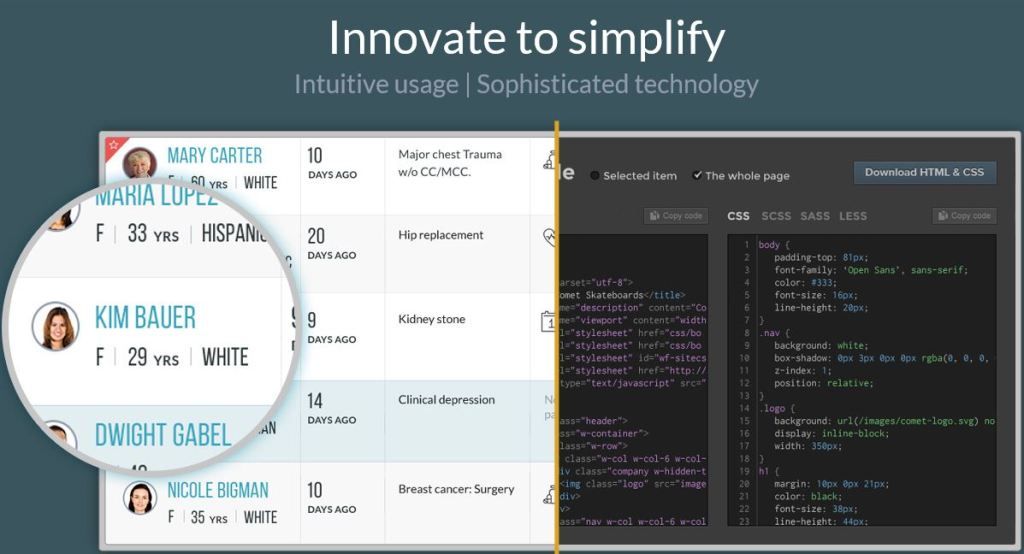
For example: During a recent health plan launch involving the medSolis app, the PHB had the pleasure of working with expert professionals who knew the purpose of the program (er, programme) initiative was to enable informed patient decision-making.  In response, we also began to alter long-standing health plan policy and procedure.  
 
All Things Equals No Outcomes: Other than pooling the intelligence data, none of spy-administrators seem to be able to articulate the purpose of their joint data initiative. While cleverly branded and all-purpose apps strive to "be" the intended outcome, truly successful health apps will be those that can be purposed for a defined population and prospectively aimed at a limited set of clinical, financial and patient-centered outcomes.
 
For example: Once the generic coding/architecture is set, a winning app's content, channel and outcomes can be tailored for, say, a precisely defined group of high risk persons with diabetes.  And, to borrow from the concept of "parallel processing," the app should also be able to be altered to simultaneously serve a parallel population that is prone to rehospitalization (outcome: reduce avoidable readmits), or who would benefit from weight loss (outcome: reduce BMI).
 
Conclusion: Health concerns aside, perhaps nothing signals Bond's adaptability better than his willingness to forego his long-standing "shaken, not stirred" workflow in favor of quaffing a "dirty" martini with the sultry Dr. Madeleine Swann.  Even the Bond franchise is not immune from the adage that "change happens."
 
The same should be true for traditional health care as it continues to import an emerging ecosystem of health apps.  Delivery systems, hospitals, clinics, ACOs and networks that understand that will win.
 
And "Cheers!" to that, Dr. Swann.
 

Wednesday, April 22, 2015

Curing the Healthcare Digital Divide: There's an App for That

Whither meaningful use?
For better or worse, policymakers, politicians and health leaders in the United States are committed to achieving paperless healthcare environment. Even if there is lack of high quality research and reasonable skepticism over the ultimate cost and quality merits of "e"care, there is no going back.

As a result, visitors to ehospitals and eclinics are increasingly surrounded by monitors that, in turn, are surrounded by providers. To gain their attention, patients need to have internet access to make appointments, update medications, obtain education and communicate with their doctor.

And what if they don't have that access? For the last decade, that worry has been characterized as "the healthcare digital divide. " As recently as 2014, it's been documented that the lack of computer hardware and access can have important healthcare implications for persons with low socioeconomic status.

For the doctors and nurses staring at screens all day, the millions of Americans who are living paycheck to paycheck risk being out sight and out of mind.

But it turns out that that it doesn't need to be that way.

The PHB explains.

Check out this telling report from the Federal Deposit Insurance Corporation on the "unbanked" and "underbanked."  Not having a bank account (unbanked) or using any financial services (underbanked) are linked to persons with low income, being of color, disability and being unemployed.

In other words, these are the very persons at risk of being on the losing end of the health care digital divide.

While there's interesting data on how close to 8% of U.S. households are unbanked and just over 20% were underbanked, there were also these stunning observations:

"Relative to fully banked households (86.8%), underbanked households were somewhat more likely to have had access to mobile phones (90.5%) and smartphones (64.5% of underbanked households compared with 59.0 percent of fully banked households)."

"Notably smaller, but still significant, proportions of unbanked households had access to mobile phones (68.1%) and smartphones (33.1%)" (bolding PHB).

In other words, persons of low socioeconomic status are more likely to have smart phones vs. the "banked" population. They may not have a checking account, but, compared to other segments of the population, they are also more able to use these devices to access and manage their "e"care.

The PHB's conclusions?

1. Not  explicitly fostering heandhelds as a part of the healthcare informatics "ecosystem" may be shutting out persons of low socioeconomic status from the health system. While the Washington DC's "meaningful use" (MU) criteria are not explicitly tilted toward desktop/tower computing, they seem to conspicuously silent on advocating for ease of smartphone use, for example, to manage appointments, medications, education and messaging. 

Compare MU that with Google's mobilegeddon and the unwillingness of innovative systems (like this and this) to wait for CMS to catch up.  They're loaning handhelds to patients.

What do you know: if you want to increase access to healthcare for the economically disenfranchised, there truly is an app for that.  It was there all along.

2. Yet, smartphones for the economically vulnerable and access to health information technology are not necessarily a slamdunk.  This report reminds us that smartphone contracts are vulnerable to non-payment and that it's not unusual for service to be turned off. 

Health systems that can navigate that reality that will win.

Image from Wikipedia

Wednesday, April 8, 2015

Healthcare Cybersecurity: Lessons for America's Corporate Boards

When this article by the Population Health Blog was published in the prestigious policy journal Health Affairs almost a decade ago, little did it know that it had too little skepticism over what the policy experts were saying about the electronic health record. Since its publication, not only have the interminable cost and quality shortcomings persisted, but hospitals' and clinics' health information technology (IT) has also become a ripe target for hackers.

Who knew?

Which is why the PHB understands the bitter disappointment of directors serving on U.S. boards of directors. IT was supposed to usher in unprecedented levels of innovation, efficiency and consumerism. Little did they know that IT vulnerabilities could also torpedo their company's brands (like this), spawn sovereign criminal gangs, compromise consumers' personal privacy, hollow out their middle class customer-base, lead to a silicon-based robber baron class and propagate Baumol's cost disease.

According to this April 6 Wall Street Journal article, boards are responding to cybersecurity threats by appointing technology committees, making IT a regular part of their meeting agenda, regularly huddling with their company's information officers, monitoring dedicated threat assessment dashboards and recruiting new board members with a background in IT.

The National Association for Corporate Directors (NACD) would agree. This recent report suggests that boards also need to understand the value of their company's information by asking where their data "crown jewels" are and who would want them. They also need to periodically conduct "deep dives" on the topic of e-security, ask their company's executives about response/disaster plans, scrutinize the "tone at the top," assess employee awareness and oversee appropriate hacker stress testing. Last but not least, boards don't necessarily need "expert" members but, rather, members with IT "literacy."

The PHB's physician colleagues have that literacy and feel their pain. Check out this recent article in the New England Journal that describes the travails of health IT. According to the author, 94% of health care institutions have not only been the victims of cyberattacks, but they also have the dubious distinction of sustaining the greatest dollar cost per record-breach. While HIPAA's numerous privacy and security mandates should have given the health care industry a multi-year head start on IT security, hospitals and clinics are still struggling not only with the usual IT challenges, but with the vulnerability of their internet-of(-medical-device)-things and a growing body of antiquated or vague federal and state regulations.

The PHB's take? 

If the healthcare industry is any guide, corporate boards need to know that:

1. Finding the right balance between employee workflows, information "fluidity" and data security is still very much a work in progress.  When it comes to that sweet spot between increasing efficiency and keeping hackers at bay, compromises will be inevitable.

2. Given the experience with HIPAA, intrusive, unwieldy and (sometimes) obsolete laws and regulations are destined to grow. Get used to it, monitor it and manage as best you can.

Image from Wikipedia 

Monday, February 2, 2015

CMS and Health Reform: More of the Same

Unmentioned.....
Whoa, with breathless media coverage like this (dramatically change! ambitious!) you'd think that the Feds had just announced something important about health reform. 

After reading the CMS press release, a CMS blog post and this article in the New England Journal, the Population Health Blog has concluded that it's more of the same. 

As the PHB understands it, Medicare's January 26 announcement is that it will build on three ongoing reforms:

1. Financial incentives to expand "alternative payment" methodologies to 30% of all reimbursement by 2016 and to 50% by 2018.  These include accountable care organization arrangements, monthly fees to Patient Centered Medical Homes and use of bundled payments.  In addition, 85% of fee-for-service payments that are still in place will be linked to quality by 2015, with an increase to 90% by 2018.

2. Promoting "provider integration." That apparently means a new forum called the Transforming Clinical Practice Initiative, with a first yet-to-be-planned meeting in March of 2015.  In addition, CMS will continue to rely on its Partnership for Patients and the Patient Centered Outcomes Research Institute.

3. Information technology (IT) including more promotion of electronic records, meaningful use, interoperability and universal information technology standards.

[Yawn]

The cynical PHB is not impressed. The Obama Administration was using, is using and will continue to use faux announcements to advance its reforms.  What's more, when it reads the CMS pabulum, it's riddled with the same top-down mainframe rhetoric on realigning care, moving from volume to value, accountability, alternative payment models, serving populations, building a better system, increasing coordination, convening meetings, promoting information technology etc. There are no new details here.

The PHB will share three insights, however:

1. CMS, Ms. Burwell and their White House handlers lost an opportunity to reach out to the Republicans about the sustainable growth rate and leveraging that to build on multiple areas of agreement to jumpstart bipartisan reform.  Doing so could have accelerated the forward momentum of value-quality-cost-based reforms beyond the 2016 elections.

2. That being said, health care providers need to increase their familiarity with the opportunities as well as perils of payment reform as well as the very real barriers to fixed payment schemes.

3. The announcements are a reminder how CMS is still fixated on the EHR, while the real innovation is occurring in handhelds and their associated applications.  The PHB figures that its not about the providers and their desktop electronic records, but about patients and their smart phones. As these devices continue to grow in speed, power and sophistication, providers who figure out how to use the iPlatform to leverage self-care, communication and decision support will thrive.....

With or without Medicare's incentives, promotion or IT policies.

Image from Wikipedia

Monday, June 9, 2014

The Turing Test Falls: Implications for Health Care Decision Support

In the futuristic movie Blade Runner, Detective Rick Deckard's (played by Harrison Ford) skill at "retiring" renegade robotic replicants depends on a series of trick questions that are designed to detect an "empathic" response. While the soulless robots routinely fail the test, the highly advanced Nexus-6 models still seem to be eerily human. While Deckard violently terminates three of the robots, lingering questions over just what is "human" leads him to fall for vulnerable sexy replicant Rachael.

While the Population Health Blog ponders that, along comes the news that a Russian chatbot computer passed the Turing test. More than 30% of the humans who engaged in a text-only "conversation" with the program thought it was being controlled by a 13 year old boy. Not only was the computer able to organize facts and sentences, it also responded with the subtle nuances that underlie typical "human" communication.

While the PHB is weirded out, it is not surprised. In the book The Second Machine Age, authors Erik Brynjolfsson and Andrew McAfee note the doubling of computers' processing power can be likened to the ancient story of doubling wheat seeds on the squares of a chess board.  They point out that the amount of wheat (or processing power) can be grasped until you get to the "second half" of the board: that's when the amounts become staggering and the implications start getting weird.

They point out that computing power has now entered that second half. Quadruped "mule pack" machines can carry payloads across unfriendly landscapes, entire factories can manufacture complex items at a fraction of the cost and Watson can win Jeopardy matches

And now, Turing has fallen.

This is good news for health care.  "Second half" decision support in electronic health records is better able to focus on a more likely differential diagnosis, suggest a more accurate series of tests and tailor treatment at the point of care. The good news is that medicine will finally become faster, better and cheaper.  While some may fret about the loss of the "human touch" (or jobs) in this brave new world of the doctor-patient relationship, Brynjolfsson and McAfee point out that when human intelligence is combined with the resources of high performing information technology, the product is better than either alone.  For example, a chess master plus a high-end chess program can beat either alone. 

The same will be true in medicine: smart doctors plus nuanced health information technology will be better than either alone.

Just like in Blade Runner. Thanks to each other, both Deckard and Rachael are better... humans.

Image from Wikipedia

Monday, December 9, 2013

Follow-Up on Electronic Health Record Portals: We're Asking the Wrong Question (and the DMCB is guilty)

Researchers pondering the EHR portal
Thanks to Twitter, the @DisMgtCareBlog had a highly rewarding tweetologue with tweetociates @Paulflevy (with an insightful bit of bloggery here), @granitehead and @subatomicdoc about a recent DMCB post on the topic of electronic health record (EHR) patient portals. As readers will recall, yet another notion of the Lilliputian Order of Unquestioning EHR Believers failed to pass scientific muster when The Annals published a negative review on patient portals. Tweeples took note with a series of tweets that simultaneously advanced the DMCB's social media chops and the antipathy of the how-does-this-make-money? DMCB spouse.

To tell the truth, however, the skeptical DMCB took unfair advantage of this latest EHR kerfuffle. It confesses that it couldn't resist this latest addition to the target-rich environment of HIT disappointments in quality, cost and governmental overreach.

So, upon further reflection, just because almost 15 years of high quality research failed to establish any lasting value doesn't mean portals should go the way of the Dodo, low-cost medical malpractice insurance or Mr. Obama's credibility.

In other words, the DMCB does think that portals have a role to play in the health care reform landscape, and it said so in front of a huge audience at the recent Star Ratings Conference in Fort Lauderdale.

Portals, thinks the DMCB, have little value as stand-alone interventions. Just dropping it into a clinic's patient population is unlikely to significantly increase communication and shift behaviors enough to produce enough of a "signal" that cost or quality outcomes are better compared to usual care.

But when EHR portals are part of a multi-channel outreach strategy that includes (but is not limited to) mailings, interactive voice response-based calls, secure messaging, emails, social media, "anniversary" time-for-your-appointment cards, live telephony as well as home visits that are all backed by predictive modeling (who is at greatest risk) that informs "impactability" (how they're at greatest risk) that's all tethered to care management that is also closely aligned with marketing and builds brand, then portals mostly likely do add value.

Unfortunately, traditional health services research cannot assesses the multiple simultaneous interventions described above.  As Dr. Donald Berwick presciently noted in this classic JAMA article:

Experimentalists have pursued too single-mindedly the question of whether a [social] program works at the expense of knowing why it works. Thus, although [traditional research] seeks generalizable knowledge...it relies on removing most of the local details about “how” something works and about the “what” of contexts. It therefore reveals little about mechanisms or about factors that affect generalizability. Studying a few covariates, or using stratified designs, or probing for interactions can mitigate this loss, but these are inadequate tools for studying complex, unstable, nonlinear social change.

As the DMCB has noted before, absence of any proof is not the same as proof of absence.  The studies that the DMCB ultimately quoted were based on traditional research, which is simply not up to the task of the non-linear intervention of patient-doc-team communications.

Don Berwick recommends a more insightful approach:

Health care researchers who believe that their main role is to ride the brakes on change—to weigh evidence with impoverished tools, ill-fit for use—are not being as helpful as they need to be. “Where is the randomized trial?” is, for many purposes, the right question, but for many others it is the wrong question, a myopic one. A better one is broader: “What is everyone learning?” Asking the question that way will help clinicians and researchers see further in navigating toward improvement.

When it comes to EHR portals, it's time we ask just what are we learning.

Monday, November 11, 2013

Health Information Technology and the Patient Centered Medical Home: Seven Additional Caveats

The Disease Management Care Blog is scheduled to participate in a November 12 PCPCC webinar on the timely topic of population health management (PHM).  We'll be focusing on the October 2013 PCPCC report "Managing Populations, Maximizing Technology." Readers can download it here and refer to page 2 where the DMCB, among other luminaries, is acknowledged for its thoughtful review.

The PCPCC report effectively reminds health system architects and policymakers that the electronic health record (EHR) is necessary - but nowhere near sufficient - for a high performing patient-centered medical neighborhood.  Other information technology (IT) components include intelligent shared decision making, registries, health information exchanges, analytics, referral tracking, telemonitoring, automated outreach, patient communications, mobile apps, decision support and risk stratification.

And that's just for starters. 

The good news here is that while Washington DC's EHR weenies remain focused on the dreary stages "meaningful use," innovative health systems with medical homes and neighborhoods are really using IT to make a thousand PHM flowers bloom.   

Naturally, during the PCPCC webinar, the DMCB isn't going to stop there. If given a chance, it will also point out:

1. Build vs. buy: While health systems generally believe that PHM - with or without its IT  trappings - can be built using local resources, a better answer may be to buy it from a vendor.  Why own it when you can rent it?

2. And speaking of outsourcing: While its physician-colleagues prize the stature that comes from "quarterbacking" a medical home team, what is less appreciated is the distinct possibility that a quarterback is often not the most important position.  Get out of the way and let the IT-empowered and enabled non-physicians do their thing.

3. The EHR gone wrong: "Portals" are preferred by EHR vendors because they push patients toward their products, often run by lawyers who fear HIPAA and typically programmed by IT geeks who only think about code. It's time to put patients first.

4. "This is not my patient!": While predictive modeling generates lists of patients that annoy physicians with multiple inaccuracies, the science is getting better.  That being said, many other tests like EKGs and chest x-rays are notorious for false negative and false positive results.  It's all part of being a doctor.

5. Apply a filter.... please!: The biggest threat from health IT is a data glut of numbers, labs, tests, surveys, messages, alerts, prompts, readings, alarms, vitals and figures that overwhelm medical home team members. That's going to involve setting thresholds and priorities.

6. It's not about the revenue: Forget about using health IT to justify additional payment. In a health system without anymore money, the purpose of health IT is to generate savings.  That means it has to pay for itself.

7. Watch out! The under-appreciated health IT event that is going to change the relationship between insurers and providers: the move from using paid insurance claims to submitted EHR claims to assess population outcomes.

Image from Wikipedia

Sunday, March 18, 2012

Your Tricorder Will See You Now

What happens when a tricorder's
batteries go dead
Heads-up displays in cars. Apps that can remotely open garage doors. Cable TV embedded in bathroom mirrors. The techie Disease Management Care Blog lusts after all of them and understands when advances like these cross from being mere conveniences to vital necessities.  While it waits for an unenthusiastic DMCB spouse to catch up, it looks forward to the arrival of other lifestyle enhancements like internet-enabled goggles, ear hair curing nanotechnolgy and Star Trek styled tricorders, preferably with lots of blinka blinka diodes.      
      
Good thing that the X-Prize Foundation agrees on the latter, though without the blinka blinka.  According to this web page, it will award $10 million to any outfit that can cram "artificial intelligence, wireless sensing, imaging diagnostics, lab-on-a-chip and molecular biology" in a single home-based "tool" that is safe, weighs no more than five pounds and has internet connectivity. Competitors for this "Qualcomm Tricorder X PRIZE" are expected to make trade-offs between audio, visual displays, imaging technology, portability, bandwidth-use, power requirements, and sensors.

The Foundation antcipates that the device will enable consumers to "incoporate health knowledge and decision-making into their daily lives." The ultimate goal is to allow end-user "direct care" for "15 diseases" that trumps "science" over the "art of medicine," bypasses the monopolistic "bottleneck" created by the traditional doctor, clinic or hospital and places diagnosis and measurement under the control of the patient.

Gosh. It wasn't too long ago that credentialled physicians totally owned the health care space. Thanks to their brute force learning, a rigorous apprenticeship and 10,000 hours' worth of experiential heuristics, patient-consumers could be be highly confident of getting a correct diagnosis and treatment.

While that's still true, that space is changing: networked e-Patient communities can harness the wisdom of crowds, IBM's "Watson" can strip-mine the world's medical knowledge to answer a single question for anyone anytime, computers are aiding the interpretation of imaging studies, non-physician clinicans can monitor as well as coach personalized self-care for thousands of consumers from afar and elite surgeons can remotely project their expertise worldwide with stereotaxic robotics.  While skeptics may doubt the short-term prognosis for this particular X-PRIZE, there can be no doubt that the concept is ultimately sound.

Big changes are in store for medical practice.

The impact will be greatest for care for persons with chronic conditions.  This not only represents another threat to the viability of primary care but undercuts a major value proposition for ACOs.

Providers and health insurers that adapt will survive; those that adopt or co-opt will thrive.
 
Depite the vision of a fully self-sufficent health care consumer, the DMCB doubts physicians will go extinct. They will  adopt and co-opt because high tech plus high touch trumps high tech with low touch.  The sum of a tricorder plus a provider will be far more than the sum of its parts. 

Even the Enterprise needed a Dr. McCoy on board.

Sunday, March 4, 2012

The Aspen Institute's Recommendations on Improving the Usefulness of Health Information

The Disease Management Care Blog went to the Aspen Institute's "Reinventing Health Care: The Barriers to Innovation" conference in D.C.  While the conference and the accompanying report that was riddled with the usual uncritical nostrums on health IT, integrated delivery systems, misaligned incentives and the role of government, the DMCB came away with a few good insights.

The better part of the conference dealt with a series of recommendations on "accessing health information."  Among the better ones:

1. Data transfer among systems should be "open-sourced."  For too long, trapping doctors and patients alike in "walled gardens" that are based on proprietary systems has been an under recognized value proposition of the commercial EHRs.  Kudos to Aspen for pointing this out and recognizing that free and collaborative data sharing will level the consumer-provider playing field.
 
2. Movement of information from proprietary EHRs to consumer PHRs should be seamless and automatic.  If individuals are the ultimate custodians of medical information, the data should a) follow you wherever you go and 2) be under your control.  The DMCB spouse recently changed doctors and had to ask to have her records transferred on paper. Duh!

3. EHR "success" should also be based on how well it eases provider workloads and increases productivity Busywork is a common physician lament about EHRs.  It's time to recognize that it exists, measure it and work toward improvement.  Should this be a new HEDIS measure?  It is time for "meaningful use" address this? 

4. Embrace the ePatient movement. It's a good thing when organizations like Aspen agree with the DMCB.  Better late than never. 

5. Health portals should be "fun."  While the fussbudgets that populate the health leadership positions can only wonder at at the emerging role of "gaming" in consumer IT, there's a reason why many patients don't log onto your organizations' yawnfest web sites.  Not only are they tedious, they're b-o-r-i-n-g!

While not an Aspen recommendation, there was also an insightful comment by panelist Brent Parton of SHOUTAmerica on the parallels between restaurant and health consumer "apps."  There are the "expert" restaurant ratings services like Michelin and then there is consumerist Yelp.  Rather than "either-or," it turns out both are important consumer apps because each brings a different perspective.  While doctors and hospitals may prefer a Michelin-style system, Yelp-like ratings are here to stay.  Brent's message: health systems and providers need to learn to live with it.

Tuesday, July 26, 2011

Seven Reasons Why "Data" Is Not Enough To Change Physician Behavior

Thie Disease Management Care Blog offers this new insight from a physician leader who was in the "ground floor" of the formation of a very large clinic in California.  Think that "information" is all that is needed to enable physicians to improve quality, reduce costs and make the patient experience of care better?

Think again....

As a physician leader who has been instrumental in founding a large group in California, I can assure DMCB readers that “information” is necessary but far from sufficient to change physician behavior. 

The reasons are as follows:

1. Doctors are uncomfortable with data that are cloaked as supporting “appropriate care” when they are really intended to reduce costs.  While the intent may be to limit or improve underutilization, correct overutilization, prevent fraud, or reduce variation, this has little meaning to docs in the course of day-to-day care with patients who need care and need it now.

2.  Thanks to ingrained physician culture, it can takes decades to align docs’ thought process on the kind of “group think” necessary to benefit patients and the health system.

3. Information must be paired with strong committed physician leadership.  In my experience, that is typically lacking and, as an aside, it remains to be seen if ACOs will recognize its critical importance.

4.   Powerful, robust, usable, stable information technology must transform to data in ways that enable coordinated care and some decision support at the point of care.  Data doesn't equal insight.  We just ain't there yet.

5. Good information management is starved for capital.  Most physicians don't have access to it and, even if they did, are not willing to risk any losses for first 3-5 years of any implementation.

6.  The data support for robust care coordination infrastructure doesn't develop overnight.  It took ten years for me to develop thanks to countless small but accumulating delays.  Some health care systems haven't even started yet.

7.  In my estimation, disease and care management information systems are not mature enough to capture a long term return on investment.  It can take years before unit costs and trends can reach a point where savings can truly be measured.

Thursday, December 2, 2010

Disease Management, ie Population Health Management Organizations (PHMOs): Plan B to Support the Creation of the Patient Centered Medical Home (PCMH)

As the Disease Management Care Blog has previously pointed out, there is is a lot that the disease management industry has to offer the Patient Centered Medical Home (PCMH). That's why it agrees with this webinar summary that appeared in the latest issue of Population Health Management.

In it, Darren Schulte MD of Alere points out that expectations for the PCMH are very high. Its value proposition includes reversing the decay of primary care, meeting the consumerist needs of an aging population, increasing quality and securing additional practice income. A growing body of evidence suggests that the more successful PMCHs have 1) a dedicated non-physician patient coordinator, 2) expanded in-person and virtual patient access, 3) health information technology that includes a functioning registry and point-of-care decision support and 4) increased practice income. Without these key ingredients, PCMHs have an uphill battle managing a population of patients, building a team-based culture and marshaling resources to change patient behavior.

Enter disease management vendors, although Dr. Schulte prefers to use the politically correct term "population health management organizations" (PHMOs) They have decades of experience in patient education, monitoring, self management, treatment adherence and care coordination. Despite physician skepticism and a cultural bias that favors "build" over "buy," he argues that PCMHs may find PHMOs attractive not only because they're speaking the same language, but because their services are "plug n' play" and highly adaptable across a wide variety of small to large settings. All that needs to be worked is out how PHMO support will be paid for so that the PCMH succeeds.

Enter Dr. Greg Sharp of Ideal Family Healthcare in Woodland Park, CO. He notes that health insurers have a key role to play because they're not only providing the additional monthly payments for the PCMH, but they're being called on to support health information technology solutions and provide work-flow consultation services. Since insurers are very involved anyway, he implies that it's not a great leap form them to also facilitate the sponsorship of PHMOs in the PCMH network. Once that happens, he sees few barriers standing in the way of PCMH team members virtually working with remote or in-person PHMO health coaches, accessing the PHMO's registries and relying on PHMO decision support tools.

The acronym addled DCMB likes this description of how insurer sponsored PHMOs can help PCMHs. For a fiduciary and risk-bearing health insurer, the DMCB agrees that the road to patient behavior change, prevention and savings in medical homes may run through disease management. The DMCB suspects many primary care practices won't necessarily want to create (training the non-physicians in behavior change and coaching?) or be able to afford (buying the hardware and programming expertise to create a fully functioning registry?) all the features of a fully transformed PCMH. Calling it "PHMO" instead of using the scorned term "disease management" will also increase its acceptability.

Smart health insurers will recognize that there will be primary care sites that want to go their own way in establishing PCMHs. That's fine. For those primary care sites that may not have the resources or the inclination to build a fully functioning PCMH, bringing in a "population health management organization" vendor is a good Plan B. That disease management Plan B is a rose that by any other name still smells as sweet in the science of increasing quality and optimizing costs.

Monday, May 31, 2010

Healthcare Ver 1.0 vs. Healthcare Ver. 2.0

Happily, the Disease Management Care Blog is not going to give up its day jobs for cartooning. It's too hard!


Wednesday, October 7, 2009

Machine Learning and Clinical Outcomes in Health Information Technology

The Disease Management Care Blog is guilty of not paying that much attention to the flow of news about information internet techie killer ap stuff. It’s hard to keep it all straight, much of it seems either impermanent or futuristic, plus the 2.0 jargon is opaque. But when the New York Times Business Section and the Wall Street Journal Health Blog both mention a new healthcare computer thingy, the DMCB perks up.

Welcome to Keas (pronounced KEE’_ahs). As the DMCB understands it, this is a web site (or to the cognoscenti, an ‘application’) in which you can record your medical and family history and input other medical information, including labs from Quest. The site’s ‘machine learning’ (MLing) can apparently fashion a health profile, interpret (‘red,’ ‘yellow,’ or ‘green’) lab test results, generate a personalized care plan (based on input from Healthwise or anyone of a number of high powered academics), issue prompts or offer specific suggestions (and even quizzes) that help the user-patient improve their health or manage conditions such as diabetes, high blood cholesterol or being overweight.

The DMCB views ‘MLing’ as a learning opportunity, so it dove right in. Keas’ co-founder Adam Bosworth is of Google-engineer pedigree and he specifically mentioned the concept in his blog. Assuming that’s what makes up Keas’ insides, MLing is computers that deploy algorithms to search for and ‘learn’ known and unknown patterns and make associations. Presumably this technology can tap into what is known about patient data and various diseases, much like credit card companies can spot unusual transactions and issue fraud alerts or Amazon can prompt customers with purchase recommendations.

What luster hm? This is part cool, part patient empowerment, part information tech, part meaningful EHR use and part venture capital.

Then the DMCB dug a little deeper. While a response from Keas to an email inquiry and a phone call is still pending at the time of this posting, the DMCB did what it always does when its curiosity is piqued. It took a look at some of the pertinent medical literature, favoring randomized prospective trials from reputable peer review journals. From a clinical standpoint that was curiously missing in the New York Times, two well done studies may lend some insight as to what Keas can, and cannot, do:

Check out this Annals of Internal Medicine study on self management in asthma in which the authors compared the outcomes of a group of patients randomly assigned to an ‘internet-based self management program’ with monitoring, advice, education and web-based communication versus usual care. Instead of MLing, a questionnaire was used to discern how patients were doing and, if things got bad, a live nurse intervened. At twelve months, the internet group had modestly better improvement in their quality of life and measures of lung function but there were not differences in severe asthma attacks.

Or how about this Archives of Internal Medicine study on the use of a ‘practice linked online personal health record’ for patients with diabetes. Once again, patients were randomly assigned to usual care versus a web application that listed medications, asked questions about the diabetes and other labs and then generated a care plan. At the end of one year, the intervention group had experienced greater changes in their medications, but there were no meaningful differences in blood sugar control, blood pressure and blood cholesterol levels.

Based on this information, the DMCB suspects that organizations that may consider paying for this service on behalf of their enrollees may be skeptical about the ability of Keas to lower claims expense enough to justify the investment. However, as pointed out before, Keas-like applications' greatest potential is when it's combined with other population based care interventions that synergistically add up to more than the sum of their parts.

Since the literature above may prompt some skepticism, Keas’ may wish to conduct some of its own studies to better define what it can and cannot do and how it best fits with the patient centered medical home, disease management, benefit-based insurance incentives, physician patient reform, accountable care organizations, registries and traditional electronic records.

Addendum: In looking around the web site, the DMCB also found these terms of service (bolding from the DMCB) that speak for themselves:

'The Content and Services may link you to other web sites or information, software, data, or other contents on or off the Internet, including linked click-through or other advertising, or through featured or sponsored sites. We have not reviewed the contents that may be reached by such links and we are not responsible for such content. Your linking to any other pages on other sites is at your own risk. The information, software, data, or other contents (including opinions, claims, comments) contained in linked references are those of the companies responsible for such sites and should not be attributed to us. We have not attempted to verify the truth or accuracy of any such opinion, claim, or comment, nor do we endorse or support them. We do not warrant, nor are we in any way responsible for, information, software, data, privacy policies, or other content that is outside of our control.'