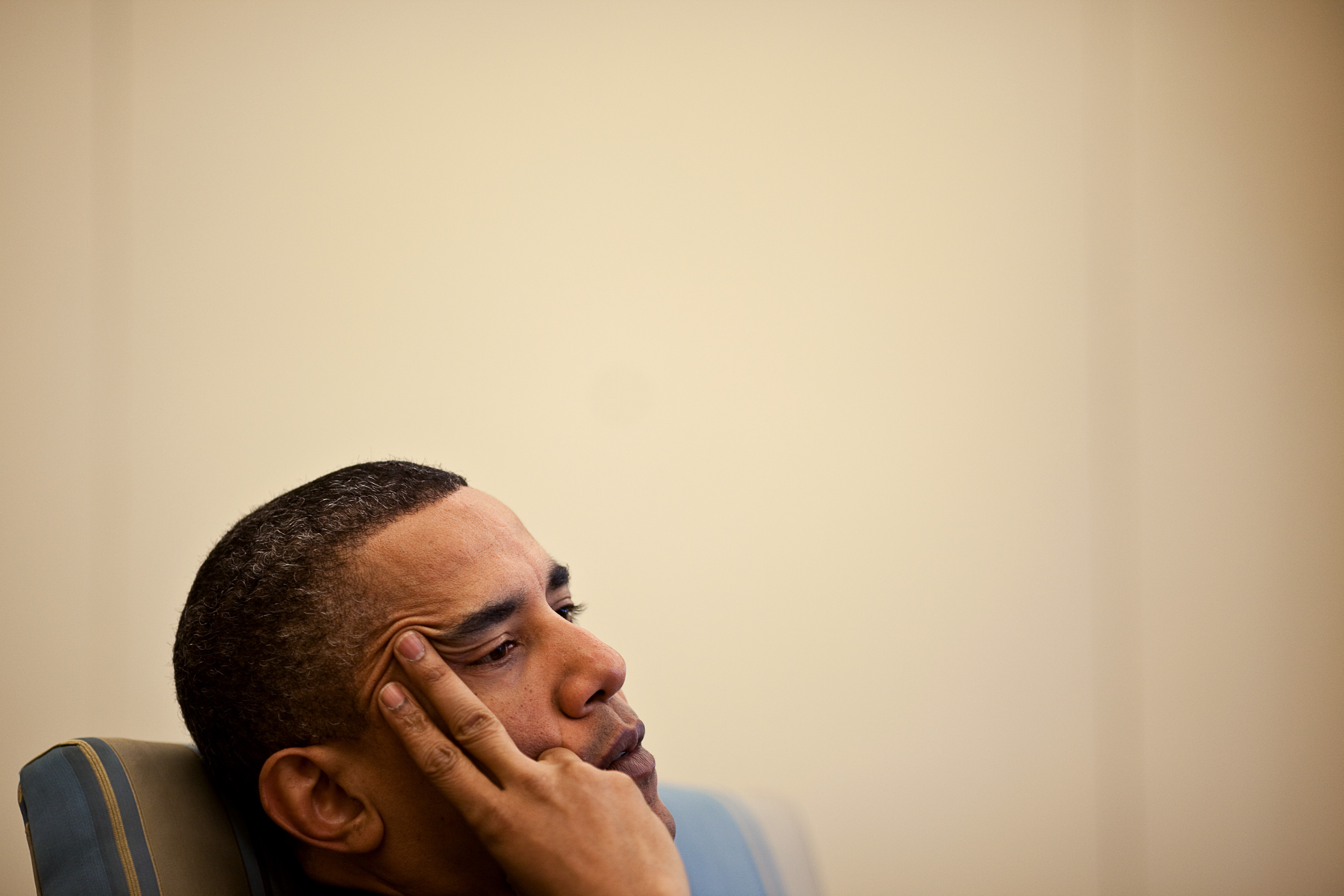
 According to this CNN article, it's naïve for the Disease Management Care Blog to expect U.S. Presidents to never lie. From time to time, political realities force occupants of the Oval Office to use falsehoods to advance a greater good and/or protect the integrity of their office. What's more, when they're found out, voters tend to be remarkably forgiving. So, When Mr. Obama repeatedly reassured Americans that "you can keep your health insurance," the DMCB should conclude that this was business-as-usual statecraft and that it will all work out.
But even if many Americans sign up for health insurance and the President rebuilds his approval ratings, the contrarian DMCB has a deeper concern.
It thinks a dishonest "tone at the top" can have a corrosive effect on how Americans will access their premium subsidies.
In the business world, it is well known that the misbehavior of corporate boards and C-suite leaders can infect an entire company. The Board Chair's or the CEO's dubious financials, revenue schemes, stock manipulation, predatory behavior or just plain arrogance can roll right through the managerial ranks and destroy a company in a matter of months. When leaders lie to serve some other business need, you can be sure that others in the company will also lie.
The same may be true for the government of the United States. It's one thing to lie about Japan's military might (Roosevelt), trading arms for hostages (Reagan) or Iraq's weapons of mass destruction (Bush), it's quite another to lie about buying health insurance. The DMCB suspects that "tone of the Oval Office" is subtly signaling to regulators, insurers and ultimately consumers that it's OK to manipulate the truth when it comes to buying health insurance.
Recall that as part of health reform, the health insurance exchanges prompt applicants to estimate future income. It's also temptingly easy to misrepresent projected 2014 income. A mild "fudge" that lowballs income can make the difference of thousands of dollars in subsidies.
Long before the President landed in hot water over his "you can keep it" promise, Americans had a huge incentive to lie about their income. That has been especially true for low income earners who really need the insurance. Now that everyone - including Mr. Obama - has admitted that he stretched the truth, the DMCB suspects Americans now have one more reason to do the same when it comes to getting health insurance subsidies. Once that pattern of insurance fraud becomes established in the marketplace, the DMCB thinks it will never go away and hundreds of millions of dollars will go to where it's not intended year after year after year.
The DMCB predicts tens of thousands of Americans who purchase insurance on the exchanges will succumb to lying in 2014.
You read it here first.
Coda: The good news is that when it comes to the health insurers who are responsible for signing up the millions of Americans, there's no evidence that they're helping enrollees lie. The DMCB suspects that in the battle to capture market share, it's just a matter of time until one of them has a renegade employee or two who channel the President and likewise help prospective customers to lie. We'll see.





 Posts
Posts